We're building the future of agentic promotions. Sign up for early access!
Sign up
We're building the future of agentic promotions. Sign up for early access!
Sign up 
According to Texas Tech University research, 83% of satisfied customers are willing to refer friends to a business they love. Yet only 29% ever do. That 54-point gap is not a trust problem or a satisfaction problem. It’s a systems problem. Without a structured referral program, most of your best advocates never share. You never made it easy or rewarding for them.
A referral program solves exactly that. It’s an incentive structure that rewards customers for sharing your products and services with their networks. Rewards can take many forms: store credits, cash, exclusive access, free products, or discounts. The right choice depends on what your customers value most.
The results speak for themselves. eCommerce businesses that run structured referral programs significantly reduce their customer acquisition costs. According to Harvard Business Review, they acquire customers who stay 37% longer and spend 16% more over their lifetime. And because referral marketing runs on trust rather than ad spend, it consistently outperforms paid channels on conversion.
A referral program is a structured marketing tool that incentivizes existing customers to bring in new ones. When a customer refers a friend and that friend makes a purchase, both parties typically receive a reward. This can be a discount, store credit, free product, or another perk.
Referral programs are built on the principle of trust, which is the underlying engine of word-of-mouth marketing. Nielsen’s Global Trust in Advertising report found that 92% of consumers trust recommendations from people they know. No other form of advertising comes close. That trust advantage makes referral programs one of the most effective ways to build a loyal customer base. It also lowers the cost of growth.

Referral programs can significantly benefit businesses by using word-of-mouth marketing and incentivizing customers to promote the business. Here are some key benefits:
Referral programs are a highly cost-effective strategy for acquiring new customers by using the existing trust within your customer network. Referred leads convert at a significantly higher rate than cold prospects. A personal recommendation carries built-in credibility that no paid ad can replicate.
McKinsey research shows that word-of-mouth is the primary factor behind 20 to 50% of all purchasing decisions, making personal recommendations one of the top drivers of new business. Making it simple for satisfied customers to share unlocks a word-of-mouth engine that scales without proportional ad spend.
Harvard Business Review found that referred customers have 16% higher lifetime value than paid-channel customers. Their retention rates are also 37% higher. They also make higher-value first purchases and are far more likely to become loyal, repeat customers. The trust they arrive with translates directly into longer relationships and higher revenue per customer.
Referral programs generate valuable behavioral data that traditional analytics often miss. By tracking which customers refer most, which products drive referrals, and what rewards motivate action, you build a precise picture of your brand advocates. These insights help refine marketing strategies, improve product positioning, and identify your most profitable customer segments long before they show up in aggregate sales reports.
A well-implemented referral program sets your business apart in a crowded market. While competitors fight over ad inventory, your customers are actively promoting your brand in conversations that no algorithm can replicate. McKinsey research shows that word-of-mouth influences 20 to 50% of all purchasing decisions. That makes brand advocacy one of the highest-leverage strategies available. Each customer who refers becomes a brand ambassador whose influence compounds over time.
Referral programs can grow organically with the business, creating a self-sustaining cycle of customer acquisition. As the customer base expands, so does the pool of potential referrers. The referral program keeps bringing in new customers without proportional increases in marketing expenditure.
Customers sharing referral links on social media extend a business’s reach to audiences it would never reach through paid channels alone. Social sharing amplifies word-of-mouth at zero incremental cost. Top-performing referral programs treat it as a core mechanic, not an afterthought.
The performance of referral programs is easily trackable from day one. You can monitor referral counts, conversion rates, reward costs, and revenue generated, giving you a clear picture of return on investment. A Wharton School study on referral programs and customer value confirms that referred customers generate higher lifetime revenue. They’re also more likely to become referrers themselves, creating a compounding return paid acquisition can’t match. This direct attribution makes referral programs one of the few marketing channels where every dollar spent connects to a measurable outcome.
Referral programs reduce customer acquisition costs compared to paid channels because you pay only for proven results, not impressions or clicks. Existing customers do the promotional work through trusted recommendations. This performance-based model makes referral programs especially valuable for eCommerce businesses managing lean marketing budgets or seeking predictable growth without escalating ad spend.
.webp)
The most effective referral program ideas, including double-sided rewards, tiered incentives, gamification, and social sharing prompts, all reduce friction and give customers a clear reason to share. Here are the top referral program ideas to consider:
One of the most popular and effective referral program ideas is to offer double-sided rewards. This means that both the referrer and the referee receive a reward. For example, you could offer a discount to both parties on their next purchase. This incentivizes both the existing customer and the new customer to participate in the program. Dual-sided programs consistently generate higher participation rates than single-sided alternatives because both parties have a reason to act.
Tiered rewards can motivate customers to refer more people by offering increasing levels of rewards based on the number of successful referrals. For instance, you could offer a small discount for the first referral, a larger discount for the second, and a significant reward for the third. Tiered structures outperform flat, one-reward programs because they create ongoing motivation to keep sharing rather than stopping after one referral.
Offering exclusive access or VIP treatment can be a powerful incentive for customers to refer others. For example, you could offer early access to new products, exclusive discounts, or special events for customers who make successful referrals. This makes customers feel valued and appreciated, encouraging them to refer more people.
Encourage customers to post their referral links on various social media channels. You can make it easy for them by providing shareable content and graphics. Offering rewards for social media shares can help you reach a wider audience and increase the chances of getting more referrals.
Running referral contests and giveaways can create excitement and encourage participation. For example, you could enter customers into a prize draw for each successful referral they make. The prize could be something desirable, such as a high-value gift card or a popular product.
Collaborate with niche influencers to promote your referral program. Influencers have a strong fan base and can help you reach a larger audience. You can provide special referral codes or links to influencers, who can distribute them to their audience.
Adding a leaderboard, progress bar, or referral milestone tracker turns participation into a game. Customers can see exactly how close they are to the next reward tier. This creates momentum and encourages continued sharing. A simple prompt like “Refer 3 friends to unlock VIP status” paired with a visible progress tracker can dramatically increase engagement and referral volume.
A referral program operates by using existing customer relationships to attract new customers through referrals. The process typically involves a few key steps: enrollment, sharing referral links, referral actions, reward distribution, and monitoring and reporting. Here’s a more detailed look at each step:

Customers are invited to join the referral program. This can be done through various channels, including email invitations, website pop-ups, or during the checkout process. The key is to make the enrollment process simple and enticing.
Once enrolled, customers receive a unique referral code or link that they can share with their friends, family, or social media followers. This link is often personalized to track who referred whom.
When a new customer uses the referral link or code to make a purchase or sign up for a service, the referral action is recorded. This is typically tracked through the business’s CRM or 99minds referral software.
Once the referral is verified, rewards are automatically distributed to both the referrer and the referee. This step is typically handled by the referral software, which triggers reward issuance based on predefined conditions such as a completed purchase or account activation. Fast, automated reward delivery is critical because delays erode trust and reduce advocacy motivation.
Businesses regularly monitor the effectiveness of their referral programs. Metrics such as conversion rates, the number of referrals, and the total effect on sales are monitored. This information helps in optimizing the program for improved results.
A successful referral program starts with clear goals, the right incentives, and a frictionless sharing flow. Here are the strategies that consistently drive results:

Before you begin developing your referral program, you must first define your goals. What do you want to achieve with the program? Are you trying to boost revenue, acquire new customers, or enhance customer retention? Having clear goals will help you design a program that meets your specific objectives.
Decide whether your referral program is primarily designed to expand your customer base or to maximize revenue generation. The two goals can complement each other, but identifying a main focus is crucial from the start.
At this stage, determine the specific KPIs you’ll track during the campaign to gauge its effectiveness. These could include metrics like customer retention rates, customer lifetime value, customer satisfaction scores, and return on investment. Defining goals is important as we use different KPIs to monitor performance.
Your referral message is what customers say to their friends on your behalf. It needs to answer three questions: what you do, why it’s worth trying, and what the friend gets. Keep it to one or two sentences that could appear in a text or social post. For example: “I’ve been using [brand] for X and love it, so here’s $10 off your first order.” Once you have a message that works, make it the default copy in your share prompts and email invitations. Customers should be able to share without having to think.
Choosing the right incentives is key to motivating customers to refer others. Consider offering rewards that are valuable and relevant to your audience. Common incentives include discounts, cash rewards, free products, or exclusive access to events. Rewards paid in store credit or free product usually cost less than cash because the value comes back to your store, a core idea in incentive marketing. Double-sided rewards are particularly effective because they motivate both parties to participate. Both the referrer and the referee receive a benefit, which removes the most common barrier to sharing.
Tiered rewards that offer increasing benefits based on the number of successful referrals motivate customers to keep referring. VIP treatment or exclusive access for successful referrers can also be a powerful incentive, making them feel valued. Ensure that the rewards are enticing enough to encourage participation and resonate with your customer base.
The referral process should be simple and user-friendly. Customers should be able to refer to others with just a few clicks. Provide clear instructions and make it easy for customers to share via email, social media, or text. The easier the process, the more likely customers are to participate. Complexity is the single biggest reason referral programs underperform - every extra step reduces completion rates.
You can achieve this with 99minds referral program software, which simplifies the setup and ensures customers can share their referrals effortlessly. It makes it easy to track, manage, and optimize your referral program, enhancing user experience and boosting participation.
Promoting your referral program effectively is crucial to its success. Ensure that information about your referral program is prominently displayed on your landing page. Remind customers about your referral program at checkout to capture their attention when they are already engaged with your brand.
Use email campaigns to let customers know about your referral program, with clear details and easy-to-follow instructions. Mention your referral program on product packaging and in product descriptions to reach customers who are already using your products.
For an effective referral program, it’s important to track and analyze its performance. Analytics tools let you monitor referral counts, conversion rates, and overall impact on sales. Analyzing this data helps identify what’s working and what needs improvement.
Key KPIs (Key Performance Indicators) for a referral program include:
Monitoring these KPIs reveals what’s working and what needs to change. Use the data to make improvements and optimize over time.
Referral fraud is a real risk in any incentive-driven program. Common tactics include self-referrals using fake accounts, cookie stuffing, and bulk code sharing. Left unchecked, fraud drains your reward budget and distorts your performance metrics.
To protect program integrity, set clear eligibility rules: new customers only, unique email required. Then add duplicate detection, cap rewards per customer per period, and review flagged accounts before issuing rewards. A basic fraud prevention layer does not need to be complex. Neglecting it entirely can render your ROI data meaningless and quietly erode your budget.
To continuously improve your referral program, use the data and feedback you receive to identify areas for enhancement. Experiment with different rewards, messaging, and promotional strategies to determine what resonates most with your target audience. Regularly update and refine the program to keep it relevant and engaging.
Staying responsive to customer preferences and market trends keeps your program effective and appealing. This drives sustained growth and customer loyalty.
No referral program can compensate for a poor customer experience. Customers only refer brands they’d stake their reputation on. Resolve reward delivery issues within 24 hours. Keep the referral dashboard simple to navigate, and send a confirmation the moment a referral is tracked. A customer who has a smooth referral experience is far more likely to refer again.

The most effective referral rewards are discounts, store credits, gift cards, loyalty points, and exclusive access - each matched to the effort required to refer. Here are the most popular options:
Dropbox, Airbnb, PayPal, Casper, and Verizon all built high-converting referral programs on the same principle: reward both sides, make sharing effortless, and tie the reward to the product experience.
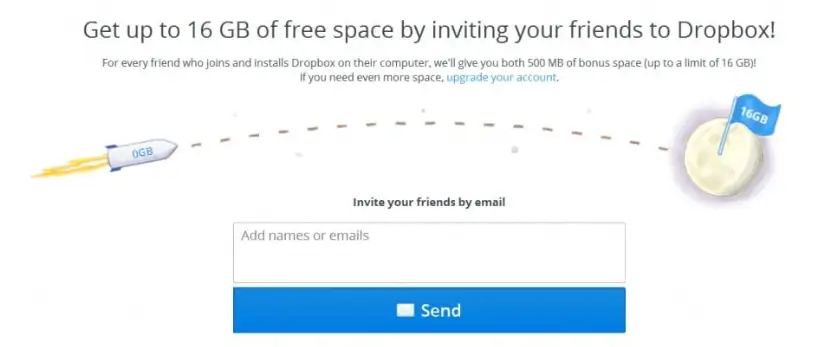
Dropbox’s referral program is one of the most well-known examples of a successful referral program. Dropbox offered additional storage space to both the referrer and the referee for every successful referral. This simple yet effective incentive helped Dropbox grow its user base exponentially. The program was easy to use, and the reward was highly relevant to the product. Both sides benefited, which made participation a natural choice.
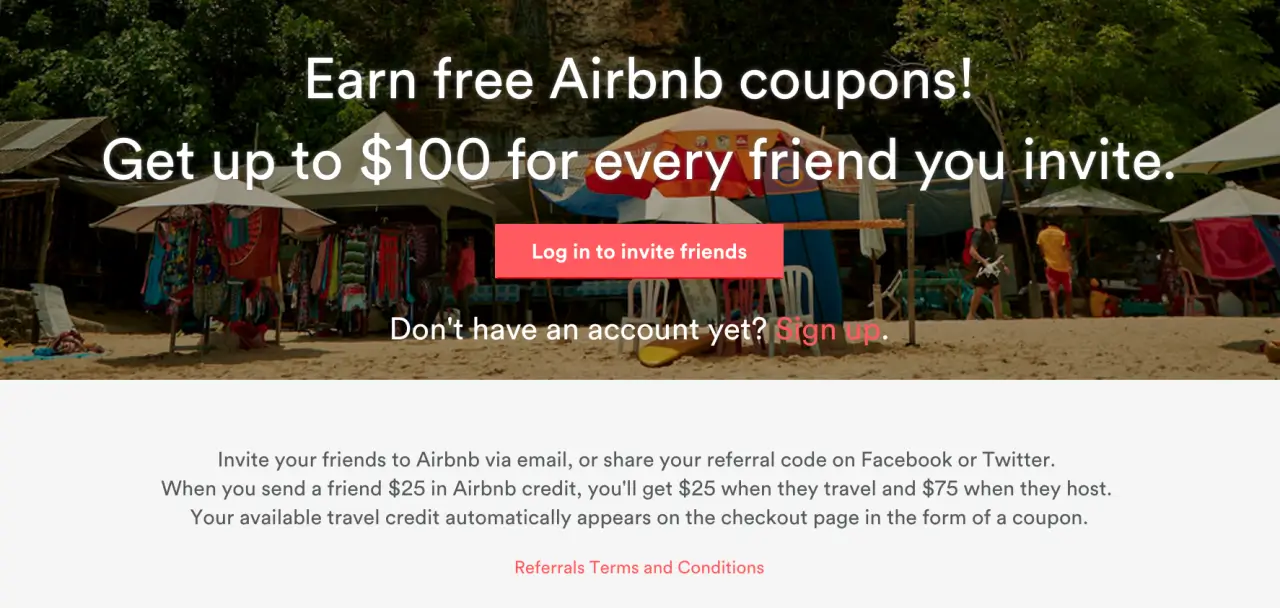
Airbnb’s Referral Program offers travel credits to both the referrer and the referee. When a new user signs up and completes their first stay, both parties receive travel credits for future bookings. This approach helps Airbnb acquire new users while also encouraging existing users to keep using the platform.
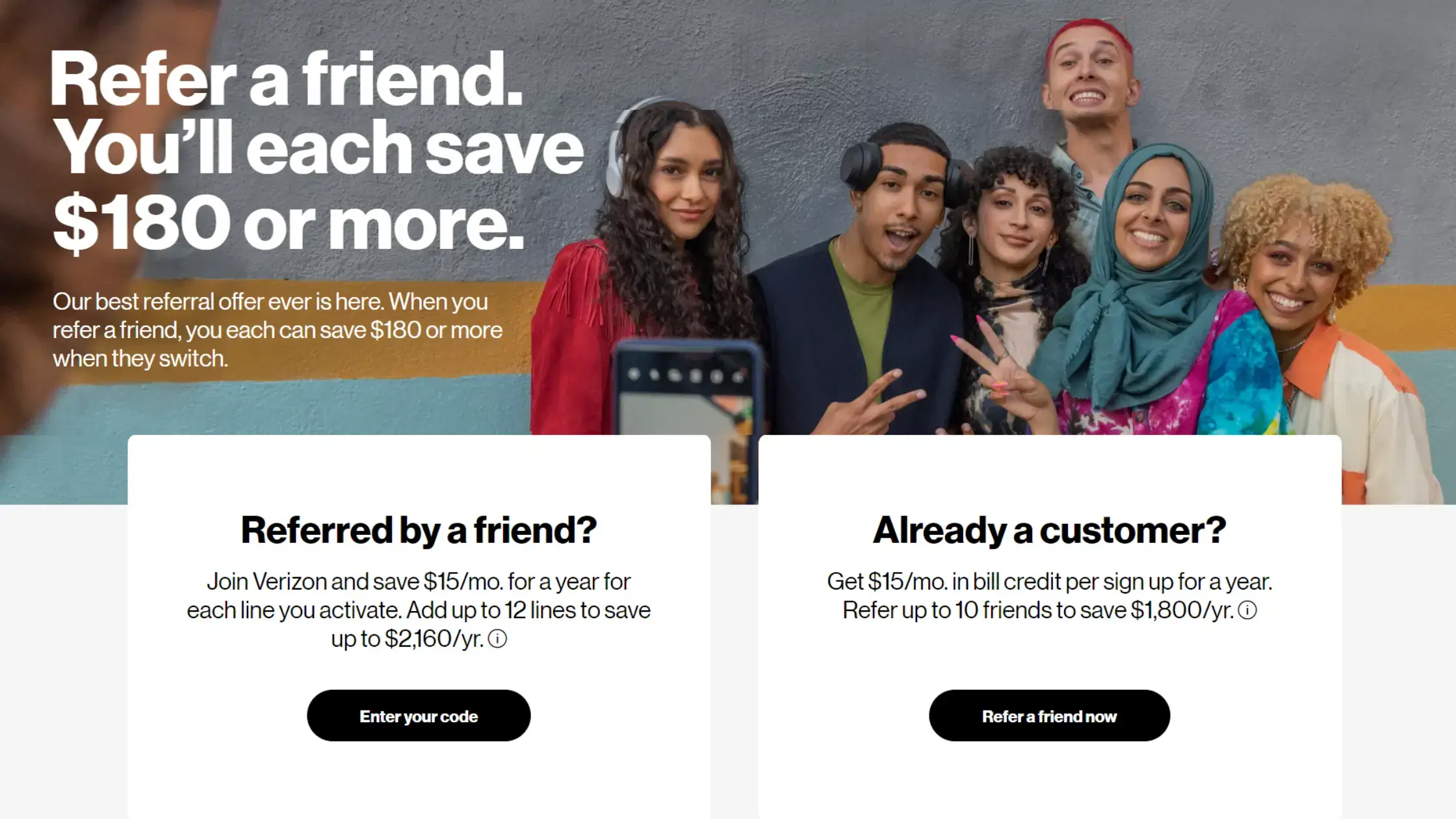
Verizon’s Referral Program offers rewards to customers who refer friends or family members to their services. By participating, both the referrer and the new customer can earn benefits such as discounts, gift cards, or bill credits. Customers share a unique referral link or code to join. When the referred individual signs up and meets program requirements, both parties receive their rewards.
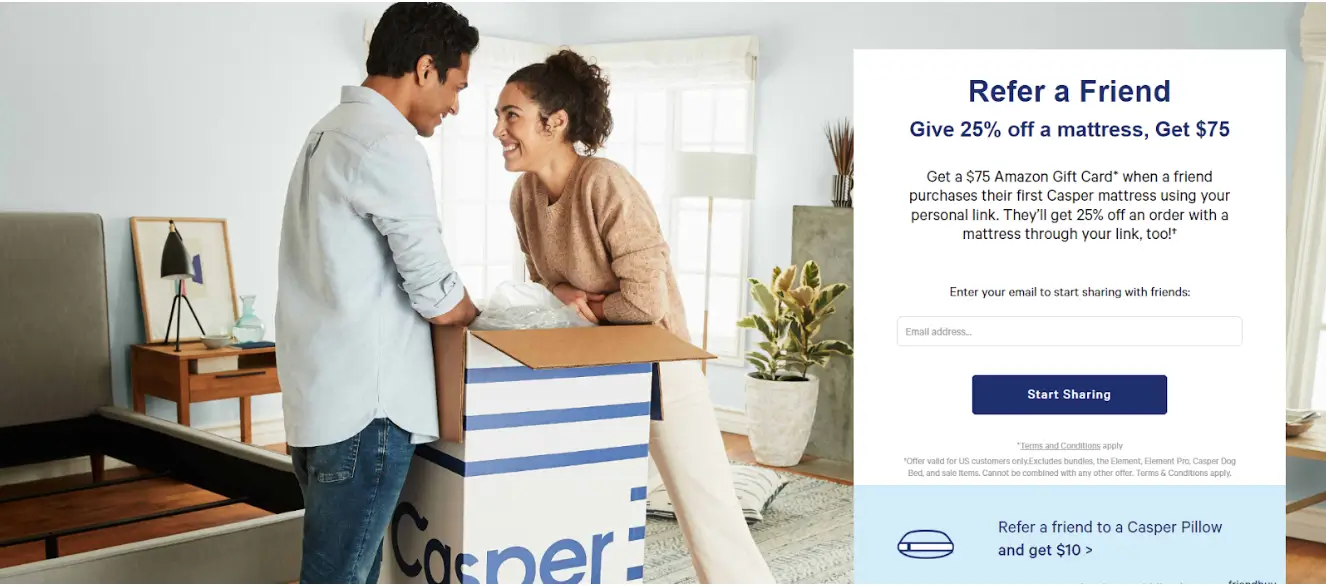
Casper’s Referral Program rewards customers for referring friends or family to their products. When a customer shares their referral link and a friend makes a purchase, both parties benefit. The referrer receives a discount or credit toward future purchases. The friend enjoys a discount on their first order.
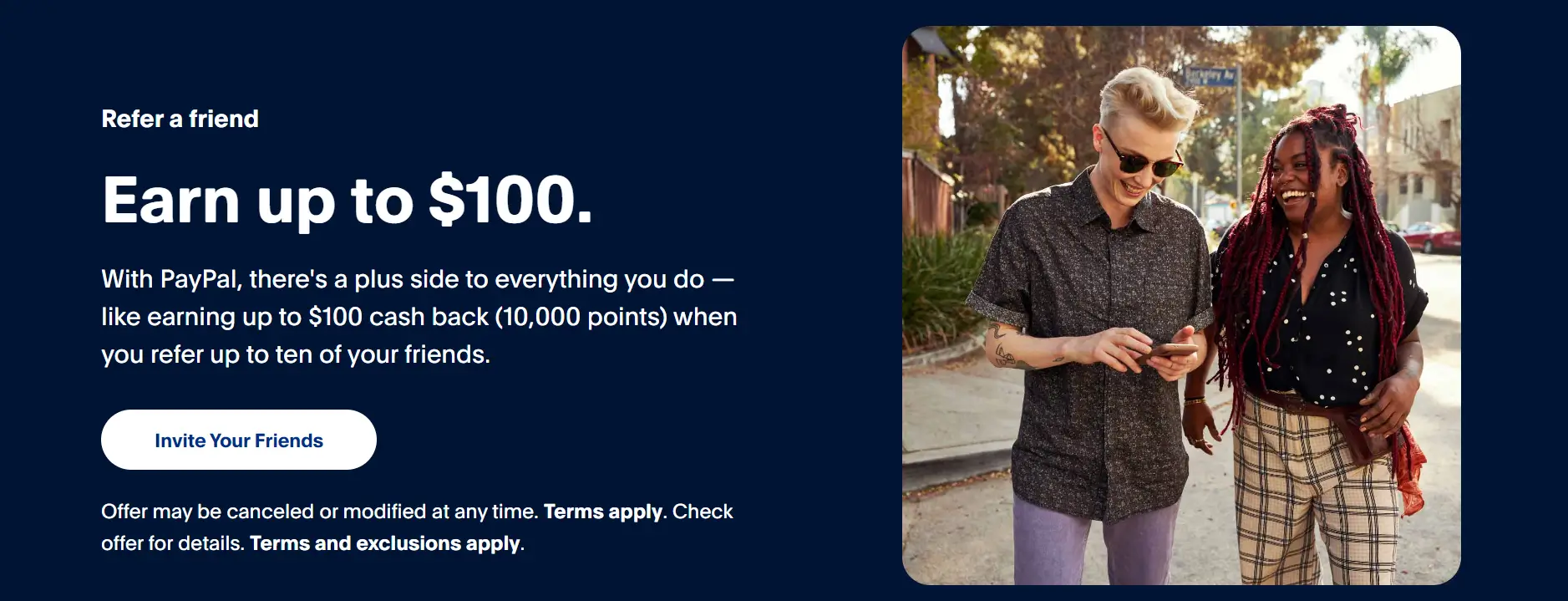
PayPal’s Referral Program offers cash rewards to users who refer others. When a new user signs up and completes a qualifying transaction, both the referrer and the referee receive a cash reward. This program helped PayPal rapidly expand its user base in its early days. It became one of the most cited referral success stories in tech.
Referral programs are a powerful marketing tool that can help businesses acquire new customers, increase sales, and build brand loyalty. By using the trust and influence of existing customers, businesses can create a sustainable and cost-effective customer acquisition strategy.
To create a successful referral program, define your goals, choose the right incentives, and build a frictionless sharing flow. Then promote actively, track performance, and prevent fraud from day one. Companies like Dropbox, Airbnb, and PayPal all followed this same formula.
In 2026, referral programs remain one of the highest-ROI marketing strategies available. They generate customers who convert faster, stay longer, and spend more than any other acquisition channel. Enhance your efforts with the 99minds referral platform, which makes it easy to launch, manage, and optimize a high-converting referral program from day one.